Introduction
Undergoing stoma surgery can be a life-altering experience for lots of clients. From the preliminary medical diagnosis to the post-operative healing phase, the journey is often fraught with psychological and physical difficulties. In this thorough write-up, we will discover exactly how to create an encouraging atmosphere for individuals undertaking stoma surgical treatment. By concentrating on areas such as education and learning, training, emotional support, and area resources, we can help these people navigate their new reality with confidence and self-respect.
Creating a Supportive Environment for Clients Undergoing Stoma Surgery
Creating a supportive atmosphere is essential for people who have undertaken stoma surgery. This includes not just supplying sensible aid however likewise fostering an atmosphere of understanding and concern. Clients often encounter emotional obstacles in addition to physical modifications that originate from coping with a stoma. When healthcare providers, member of the family, and caregivers are fully equipped with knowledge and abilities-- such as via stoma care training for carers-- they can dramatically enhance a patient's high quality of life.
What is a Stoma?
A stoma is an opening up developed surgically that links an inner body organ to the beyond the body. It may be necessary as a result of different medical conditions, including cancer cells or inflammatory bowel illness. Recognizing what makes up a stoma is critical for both people and their caregivers.

Understanding Ostomy Care
Ostomy care refers to the management of the stoma itself in addition to bordering skin care to avoid complications like infections or skin irritability. Proper ostomy care boosts comfort and promotes recovery, making it necessary that caretakers obtain specialized training.
Importance of Stoma Care Training for Carers
Training programs such as complex bowel treatment training furnish carers with significant expertise relating to exactly how to take care of stomas successfully. This includes discovering:
- Types of ostomies Equipment used Daily upkeep routines Recognizing indications of complications
By investing time right into training, carers can substantially boost the assistance they use to patients.
The Role of NDIS in Complex Bowel Care Training
The National Disability Insurance Scheme (NDIS) plays an essential role in supplying funding and sources necessary for complex bowel care training. Programs under NDIS ensure that individuals calling for bowel administration receive tailored support.
Benefits of NDIS Complex Bowel Care Training
Personalized Learning Access to Expert Resources Enhanced Patient ResultsBy participating in programs made by NDIS, carers come to be a lot more proficient at addressing details patient needs.
Emotional Support During Recovery
Psychological Impact of Stoma Surgery
The emotional toll of undertaking stoma surgery can not be underestimated. Numerous clients experience sensations of loss connected to bodily adjustments or are afraid about social interactions post-surgery.
Providing Psychological Assistance: What Can You Do?
- Listen actively Share individual experiences if relevant Encourage engagement in support groups
Support Teams: Structure Connections
Support groups offer indispensable systems where individuals can reveal their feelings openly and pick up from each various other's experiences. Discovering local or online areas concentrated on ostomy care can cultivate links that ease the shift throughout recovery.
Education: A Secret Element in Individual Support
Educating Clients Regarding Their Condition
Knowledge is power! Enlightening people about what to anticipate after surgical procedure aids ease anxiety and encourages them to take control over their health.
Topics to Cover Throughout Education Procedure:
- What is an ostomy? How do I handle my stoma? Dietary recommendations post-surgery?
This details develops the foundation for effective self-care techniques among patients.
Complex Digestive tract Treatment Program Offerings
Courses focused on complex bowel care offer both theoretical expertise and practical abilities crucial for handling ostomies efficiently:
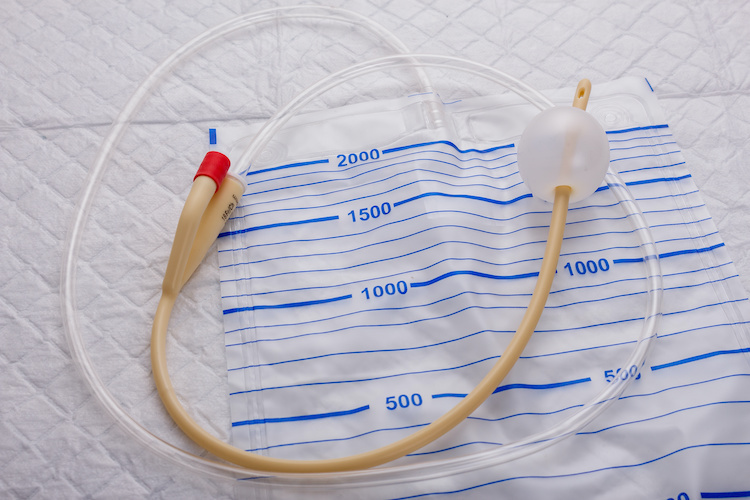
By offering easily accessible programs like these, medical care facilities can much better equip both patients and caretakers alike.
Physical Aspects: Taking care of Life with a Stoma
Daily Monitoring Routines
Creating a structured everyday regimen assists people really feel much more secure with their brand-new way of living changes:
Regular cleaning regimens. Monitoring nutritional intake. Keeping track of medical appointments.These habits foster self-reliance while minimizing issues related to bad management practices.
Nutrition After Stoma Surgical treatment: What Should I Eat?
Diet plays a crucial duty in maintaining gastrointestinal health and wellness post-surgery:
Foods Beneficial for Stoma Patients:
- High-fiber foods (once gotten rid of by doctor) Adequate hydration Low-residue foods initially
Consulting with nutritionists learnt ostomy diet regimens makes sure personalized meal strategies based on private needs.
Community Resources Available for People Going Through Stoma Surgery
Accessing Regional Organizations & Services
Local companies often supply resources such as educational sales brochures, free assessments, or workshops specifically tailored towards supporting those coping with ostomies.
Benefits Include:
Networking opportunities Educational materials Emotional assistance resourcesBeing familiar with readily available solutions equips clients during their recovery journey.
FAQs About Producing a Helpful Atmosphere for People Going Through Stoma Surgery
1. What is an ostomy?
An ostomy is a surgically-created opening (stoma) that attaches an internal organ to the outside body surface area, enabling waste elimination when normal pathways are compromised because of ailment or injury.
2. Exactly how essential is emotional support after stoma surgery?
Emotional support is important; it helps address worries related to physical adjustments while advertising mental health during recuperation via community engagement and therapy options available in your area or online.
3. Where can I discover stoma care training programs?
Stoma treatment training programs might stoma care be provided with health centers or neighborhood organizations concentrating on gastrointestinal wellness; additionally, on the internet programs are available through systems like NDIS that focus on complex bowel care training approaches customized especially toward taking care of ostomates.
4. Can diet regimen impact my recuperation post-stoma surgery?
Yes! Diet regimen plays a considerable duty in healing after surgical treatment; as a result it's crucial that you get in touch with medical care professionals concerning suitable dietary options customized specifically towards your distinct requirements complying with an ostomy procedure!
5. Exist any kind of limitations on activities after obtaining an ostomy?
Generally speaking there aren't strict prohibitions against physical activity complying with procedures - nonetheless involving totally back into sporting activities should take place just after appointment with doctor who understand your details recuperation trajectory best!
6. The length of time does it take in the past changing back into everyday routines?
Adjustment durations vary considerably from person-to-person relying on individual scenarios bordering each situation - nevertheless most find returning progressively right into everyday activities becomes achievable within weeks/months adhering to effective rehab initiatives helped by skilled nurses/caregivers familiarized beforehand via appropriate academic channels!
Conclusion: Encouraging Lives Post-Stoma Surgery
Creating a supportive environment for clients going through stoma surgical treatment encompasses several elements-- education, psychological assistance systems, accessibility to sources-- and most importantly cultivating open lines of interaction between all events involved throughout this transformative journey!
By welcoming not just technical elements yet additionally emotional factors to consider within caregiving frameworks (e.g., via programs like complex bowel care training), we equip people facing significant life adjustments stemming from medical interventions relating directly towards enhancing general quality-of-life outcomes relocating forward!